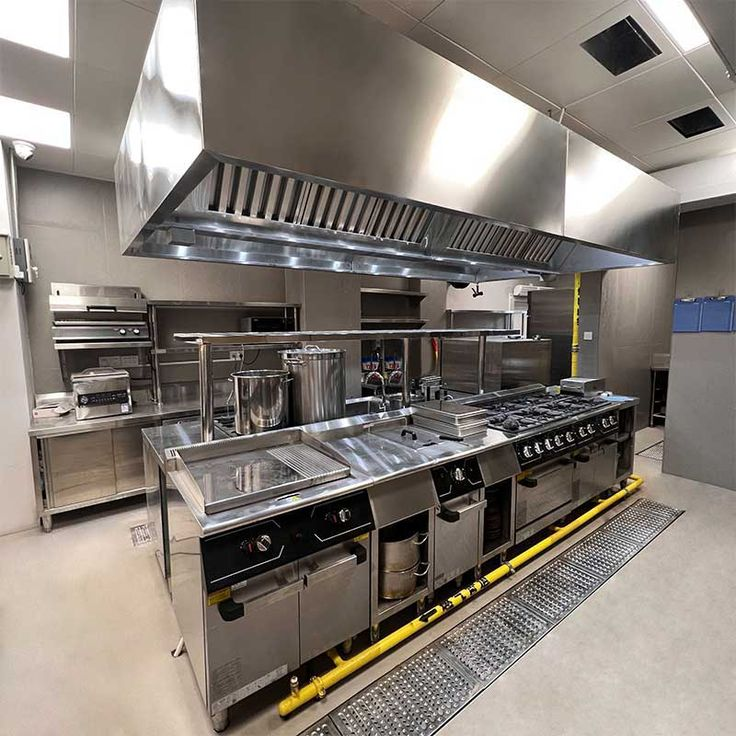
Stainless steel kitchen equipment stands at the intersection of resilience, cleanliness, and refined aesthetics. In both residential cooking areas and professional culinary settings, this material has become a defining feature. Its polished surface suggests precision, while its structure promises endurance. More than a design preference, stainless steel represents a strategic investment in longevity and sanitation.
Stainless steel is primarily an alloy of iron enriched with chromium and often nickel. Chromium forms a thin, invisible oxide layer that shields the surface from corrosion. When scratched, this protective film regenerates naturally, preserving integrity. This self-healing characteristic distinguishes stainless steel from many alternative materials used in food preparation environments, including those surrounding heavy-duty equipment such as a Commercial Refrigerator, where durability and resistance to moisture are absolutely essential..
Kitchens are intense workplaces. Heat, steam, sharp tools, heavy cookware, and constant movement create continuous stress. Stainless steel equipment—whether worktables, shelves, or appliances—endures these challenges without cracking, warping, or weakening. Its structural rigidity supports substantial weight, while impact resistance prevents dents from compromising functionality.
Exposure to acidic ingredients such as citrus, vinegar, and tomato-based sauces can damage lesser surfaces. Stainless steel remains stable in contact with such substances. Moisture, cleaning chemicals, and salt do not easily erode its exterior. This corrosion resistance significantly extends lifespan, reducing replacement frequency and maintenance concerns.
Cooking environments demand materials capable of withstanding elevated temperatures. Stainless steel performs exceptionally under thermal stress. It does not melt or degrade easily when exposed to hot pans, ovens, or open flames. This heat resilience enhances safety while maintaining structural reliability during rigorous culinary processes.
Cleanliness is non-negotiable in food preparation. Stainless steel offers a non-porous surface that prevents bacteria, mold, and contaminants from embedding within microscopic gaps. Unlike wood or certain composites, it does not absorb liquids or odors. Proper cleaning removes residue efficiently, supporting strict health standards in commercial and domestic kitchens alike.
Daily upkeep requires minimal effort. A soft cloth, warm water, and mild detergent usually restore shine and remove grime. Because the surface does not chip or peel, hidden accumulation points are rare. Even after years of use, stainless steel retains its appearance with simple care routines, making it practical for fast-paced environments.
Beyond function, stainless steel contributes significantly to visual identity. Its sleek finish aligns naturally with contemporary, industrial, and minimalist themes. Reflective surfaces amplify light, creating an impression of openness. Whether paired with stone countertops, glass accents, or wooden cabinetry, stainless steel harmonizes effortlessly with varied materials.
Different finishing techniques expand stylistic possibilities. Brushed finishes reduce visible fingerprints and provide subtle elegance. Polished surfaces introduce mirror-like brilliance. Matte textures soften reflections, while patterned treatments add character. These variations allow designers to balance practicality with artistic expression.
Environmental awareness increasingly influences purchasing decisions. Stainless steel supports sustainable objectives through full recyclability. Many products incorporate recycled content without sacrificing quality. At the end of service life, equipment can be repurposed rather than discarded. Combined with extended durability, this recyclability reduces long-term environmental impact.
Efficient organization is essential for productivity. Stainless steel shelving withstands heavy loads while remaining easy to sanitize. Wall-mounted racks maximize vertical capacity. Mobile carts provide flexibility, adapting to shifting preparation needs. Such equipment improves accessibility, shortens preparation time, and maintains orderly surroundings.
Sinks fabricated from stainless steel exemplify reliability. Constant exposure to water and detergents does not compromise structure. Deep basins accommodate oversized cookware, while seamless construction minimizes crevices where residue might collect. Stain resistance ensures consistent appearance even under continuous use.
Stainless steel countertops provide smooth, expansive work surfaces ideal for chopping, kneading, and plating. Heat resistance allows direct placement of hot cookware without damage. Integrated backsplashes prevent spills from reaching adjacent walls. In professional kitchens, these uninterrupted surfaces facilitate teamwork and efficient movement.
Cabinets built from stainless steel resist swelling caused by humidity. Reinforced frames and durable hinges endure frequent opening. Secure compartments protect tools and ingredients. Unlike wooden alternatives, metal structures remain unaffected by moisture fluctuations, maintaining structural integrity over time.
Proper airflow is crucial in culinary environments. Range hoods and duct systems constructed from stainless steel resist grease accumulation and high temperatures. Easy cleaning reduces fire risk. By maintaining hygienic ventilation components, kitchens operate safely and efficiently.
Homeowners increasingly favor professional-inspired design. Stainless steel appliances convey seriousness and capability. The polished aesthetic suggests culinary expertise, encouraging experimentation and creativity. Additionally, reflective surfaces brighten interiors, making compact spaces appear larger.
Advanced appliances often feature digital controls, energy-efficient systems, and automated functions enclosed in stainless steel housing. The material protects internal mechanisms while complementing contemporary innovation. This combination of durability and technological sophistication enhances overall performance.
Food safety depends on stable materials. Stainless steel does not react chemically with most ingredients, preserving flavor and nutritional integrity. Rounded edges and seamless welds reduce injury risk. Fire resistance adds another protective layer within high-temperature zones.
Although initial costs may exceed some alternatives, stainless steel delivers strong return on investment. Longevity reduces replacement frequency. Minimal Kitchen Equipment Maintenance lowers operational expenses. For businesses, reliability minimizes downtime; for households, it ensures decades of dependable service..
Humidity, coastal air, and temperature shifts challenge many materials. Stainless steel withstands these environmental conditions with minimal deterioration. Resistance to rust and structural movement ensures consistent performance across diverse geographic regions.
Stainless steel kitchen equipment embodies a harmonious blend of durability, hygiene, and design. Its robust composition withstands demanding routines. Non-porous surfaces promote sanitation. Elegant finishes elevate interiors. Sustainable properties support environmental responsibility. Across residential and commercial settings, stainless steel continues to define kitchens that value strength, cleanliness, and timeless sophistication.
| Categories: | Services / Other Services |
| Phone: | +971 4 268 4999 |
| Address: | City Tower 2, Office 1701 Sheikh Zayed Road, Dubai United Arab Emirates |
| Website: | View our site |
| Email: | sales@sofiaref.com |